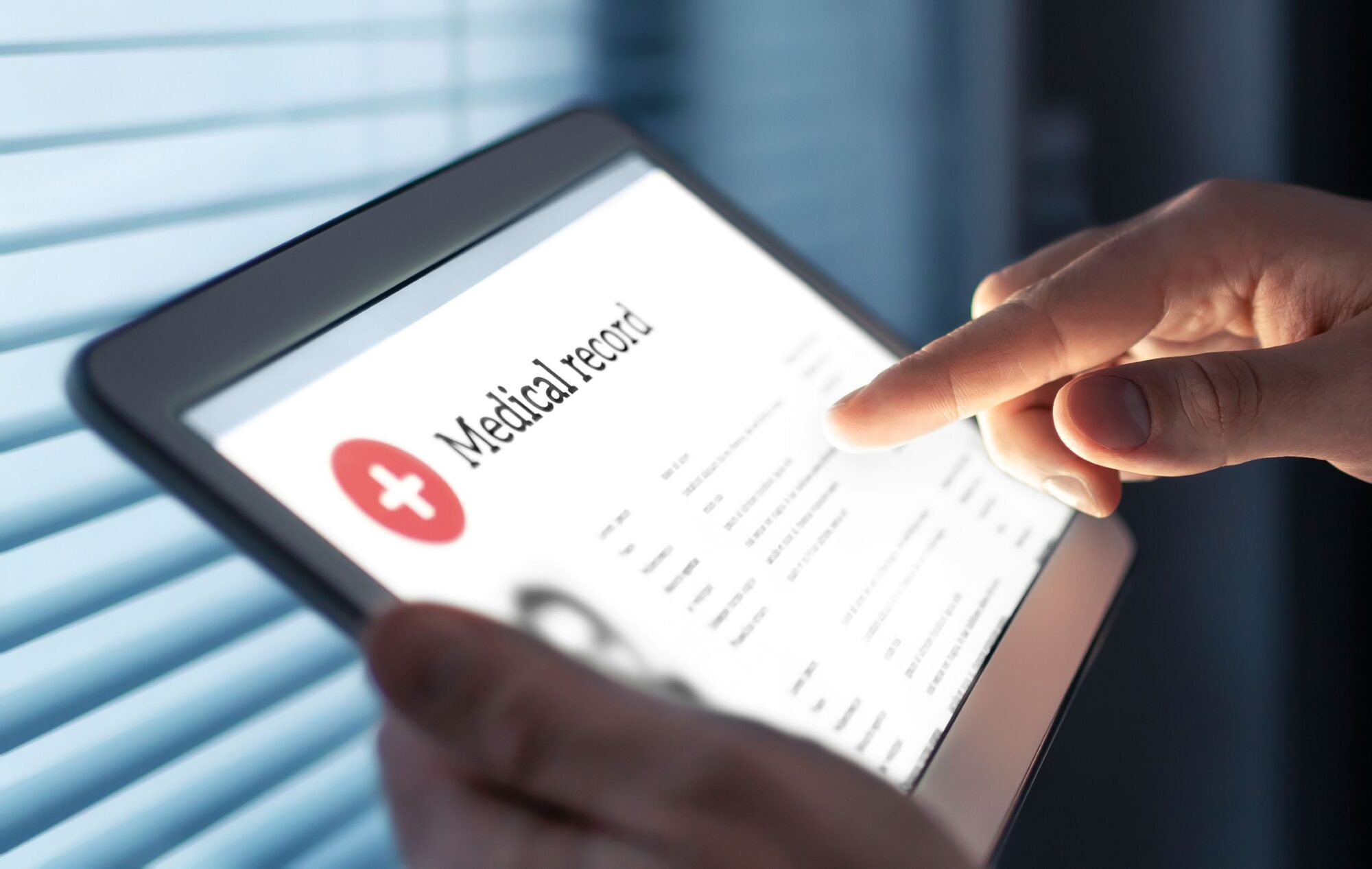
You’ve meticulously crafted your practice to align with your vision and cater to the needs of both your staff and clients. Now, the time has come to seek out a custodial records storage provider that seamlessly integrates with your business ethos and clientele. However, assuming that all custodial records storage providers are identical is a common misconception. In reality, a one-size-fits-all approach rarely aligns with individual requirements. To guide you in finding the perfect fit for your needs, here are 10 key factors to consider in your search:
1. Smooth Transition
The transition process should be seamless and well-planned. This involves efficiently transferring records to the custodial provider, conducting inventory audits to verify completeness, and ensuring proper documentation of all transferred records.
Assess the provider’s onboarding process for its simplicity and efficiency, including preparations for the transition and logistics of record transportation. Ensure that they offer responsive customer service, timely assistance with inquiries, and a clear point of contact for any issues that may arise regarding your stored records.
2. Secure Records Storage
Maintaining the same level of information security post-transition is paramount. Look for a custodial records management service certified by PRISM Privacy+—a validation of compliance with data protection laws and fulfillment of regulatory due diligence obligations.
3. Security & Compliance
Given the sensitive nature of custodial records, robust data security measures are essential. The provider must have protocols in place to safeguard against unauthorized access, data breaches, and ensure confidentiality is maintained throughout the storage period.
Adhering to state and federal privacy laws, such as the Health Insurance Portability and Accountability Act (HIPAA), is also non-negotiable for safeguarding client information. Ensure the records custodian is well-versed in legal requirements for both storing and handling sensitive documents, including adherence to retention laws applicable to your records.
4. Customized Solutions
Every business closure or transition is unique, and your custodial records storage needs may vary accordingly. Look for a provider that offers customized solutions tailored to your specific requirements, whether it’s specialized retention schedules, custom reporting, a solution for acquired records not integral to your future business operations, or other tailored services.
5. Record Formats
Given your past use of diverse record formats—both paper and digital—select a custodial service that accommodates all preferred formats, avoiding limitations to solely digital storage.
6. Excellent History
Authentic feedback from previous clients unveils the true nature of a business. Prioritize providers with positive reviews and testimonials, and seek insights from practices that have firsthand experience with the service. Does the feedback align with the level of service you envision for your own patients?
7. Cost-Effective Solutions
While maintaining compliance and security standards, it’s also important to consider cost-effectiveness. Evaluate the pricing structure of the custodial provider, including any fees associated with record retrieval or additional services, to ensure it aligns with your budgetary considerations.
8. Transparent Contract Terms
Review the contract terms and agreements provided by the custodial records storage provider carefully. Ensure that all terms related to pricing, services offered, data security measures, and responsibilities are clearly outlined and transparent, avoiding any potential misunderstandings in the future.
9. Document Destruction Policies
Inquire about the provider’s policies regarding document destruction or disposal. It’s crucial to have a clear understanding of how and when outdated or no-longer-needed records will be securely disposed of to maintain compliance and prevent data breaches.
10. Disaster Recovery Plans
Despite the closure of your practice, safeguarding records against unforeseen events like natural disasters or cyber-attacks remains essential. Ensure that the custodial provider has robust disaster recovery plans in place, including data backups, offsite storage options, and contingency measures to protect your records.
Cariend stands as a reputable custodial records storage provider proficient in handling both medical and business records. As a PRISM Privacy+ Certified records management service, we facilitate a seamless transition with professional onboarding. If you’re seeking a professional custodial records storage provider, contact us at 855-516-0612 or complete the form on our Contact page.