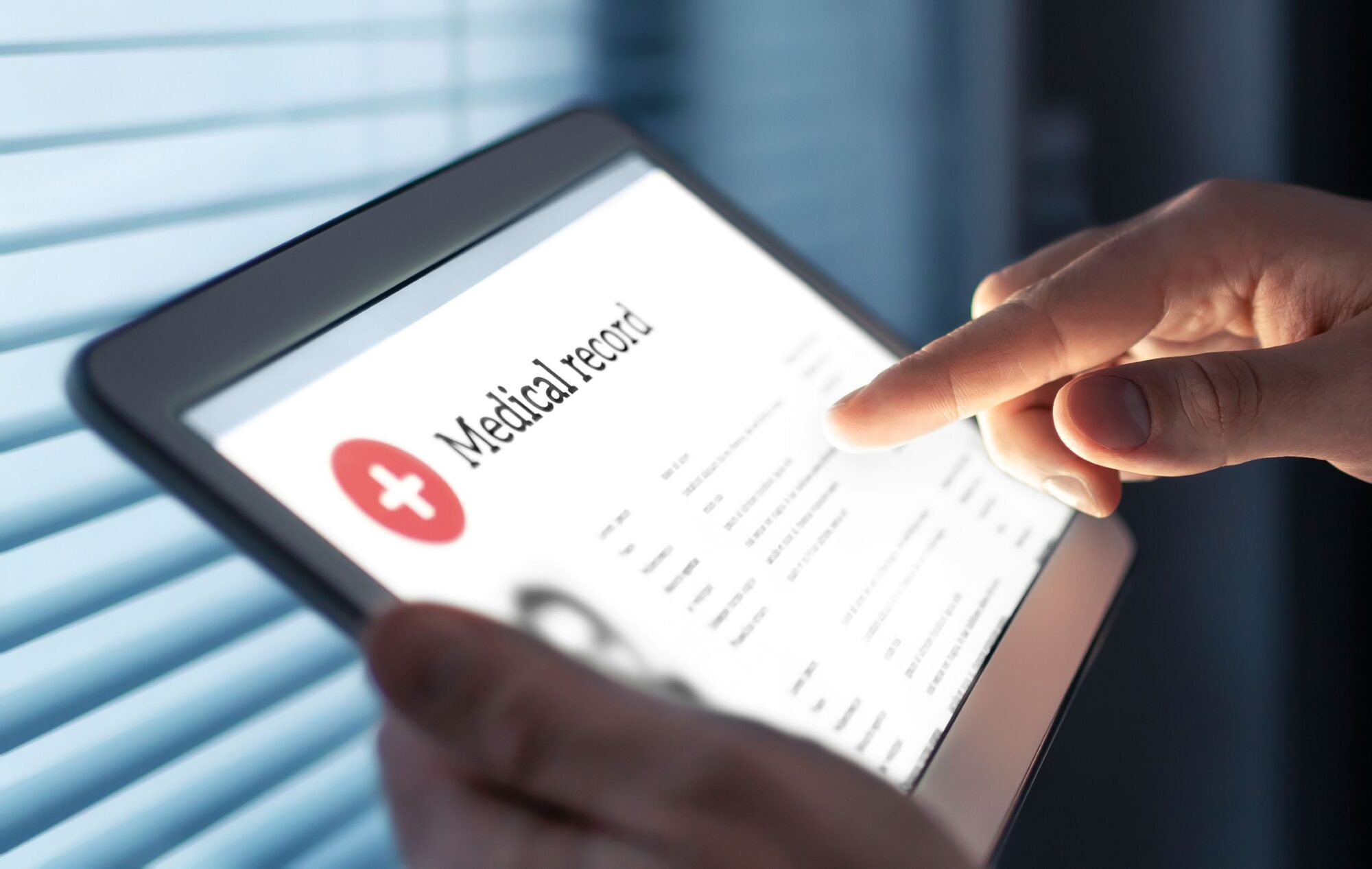
Cybercriminals just made your digital filing cabinet their next payday. When ransomware strikes, your electronic health records, patient histories, and business documents can vanish behind an encryption wall faster than you can say “backup failure.” For healthcare providers across Tennessee and Georgia, this isn’t a distant threat, it’s a daily reality that demands a hard look at how we protect sensitive information.
The healthcare industry remains the top target for ransomware attacks, because criminals know that patient care depends on quick access to records. But here’s what many practices overlook: the most effective defense isn’t always another software update.
The Air Gap Advantage
An air-gapped system sounds technical, but the concept is beautifully simple. Physical records stored in a secure facility have zero connection to the internet. No Wi-Fi. No network cables. No vulnerability to remote attacks.
When hackers encrypt your digital systems, your physical records remain completely untouched and accessible. This separation creates an insurance policy that no firewall can replicate.
Think of it this way: a burglar can’t steal what isn’t connected to the digital world. Your paper records and properly stored documents exist in a space that cybercriminals simply cannot reach, regardless of their sophistication or resources.
Beyond Compliance: Practical Protection
Tennessee and Georgia healthcare providers face strict retention requirements under state and federal law. Meeting these standards while defending against cyber threats creates a challenging balance. Professional records custodial management offers a solution that addresses both concerns simultaneously.
Our team at Cariend specializes in medical records storage that maintains compliance while creating that crucial air gap. When your practice faces a ransomware incident, you’ll have quick access to physical backups that keep your operations running.
The Hybrid Approach Works Best
We’re not suggesting you abandon digital systems entirely. Electronic records provide speed and convenience that modern healthcare demands. However, maintaining physical copies of critical documents creates redundancy that keeps practices running when technology fails.
Consider these real-world scenarios:
- Your EHR system goes down during a ransomware attack
- A natural disaster damages your servers
- System updates cause unexpected data corruption
- Former employees with system access become threats
In each situation, air-gapped physical storage provides immediate continuity. You’re not waiting for IT recovery or negotiating with criminals while patients need care.
Cost-Effective Security
Investing in robust cybersecurity tools makes sense, but the price tags can strain smaller practices. Physical storage through a records custodian offers predictable costs without the constant software updates, licensing fees, and emergency recovery expenses that plague digital-only systems.
We maintain strict security protocols at our facilities, ensuring your records stay protected from both physical and digital threats. Climate-controlled environments protect digital media, X-rays, hard drives, and SSDs, while paper records remain secure and readily accessible.
Your Next Steps
Evaluate your current vulnerability to ransomware attacks honestly. How long could your practice operate if every digital system went offline tomorrow? If that answer makes you uncomfortable, it’s time to implement air-gapped backup strategies.
Our commitment at Cariend extends beyond simple storage. We provide comprehensive records management that protects your practice, ensures patient care continuity, and maintains compliance with retention requirements across Tennessee and Georgia.
The threat landscape continues evolving, but physical security principles remain constant. Combining modern digital convenience with air-gapped physical storage creates the resilient, multi-layered defense your practice needs.
Call us at (855) 516-0612 today!
Frequently Asked Questions
What exactly does “air-gapped” mean for physical storage?
Air-gapped storage means your physical records have absolutely no connection to the internet or networked systems. They exist in a secure facility that cybercriminals cannot access remotely, making them completely immune to ransomware attacks and digital breaches. This physical separation creates an impenetrable barrier against online threats.
Can I access my physical records quickly during an emergency?
Yes, professional records custodians maintain organized retrieval systems that provide rapid access to your documents. While access isn’t instant like clicking a mouse, established protocols ensure you can obtain necessary records within hours. This timeframe proves sufficient for most practice continuity needs during cyber incidents.
How long should healthcare practices in Tennessee and Georgia keep physical records?
Retention requirements vary by record type and patient age, but generally range from 7 to 10 years for adult records in Tennessee and Georgia. Pediatric records require longer retention periods. Working with a qualified records custodian ensures your practice maintains compliance with all state-specific regulations while protecting against ransomware threats.
Is physical storage really more secure than encrypted digital backups?
Physical storage offers different security advantages rather than being universally “better.” Digital encryption can be broken or held hostage through ransomware, while air-gapped physical records remain untouchable by remote attackers. The most secure approach combines both methods, creating redundancy that protects against multiple threat vectors including cyber attacks and physical disasters.
What happens to physical records if my practice closes?
A professional records custodian continues managing your records according to legal retention requirements even after practice closure. They handle patient requests, maintain compliance, and properly destroy documents when retention periods expire. This ongoing custodial management protects you from liability and ensures patients can still access their health information.